


The Ghost in Your Garage: Why a Federal Tax Lien is the Ultimate Invisible Squatter

What if you woke up tomorrow to find a GPS tracker on your car, a padlock on your jewelry box, and a "reserved" sign on the equity in your home, all without anyone moving a single piece of furniture? That is the strange, quiet reality of a Federal Tax Lien. It is not a seizure of your property, but it is the IRS officially staking a claim to it.
Paragon Law Group, a nationwide law firm based in Washington, DC, helps individuals and business owners deal with IRS collection problems, including liens, levies, and wage garnishment.

What a Federal Tax Lien does to your property
A Federal Tax Lien is the government's legal claim against your property after you fail to pay a tax debt. The IRS says the claim exists once three things have happened: it assesses your balance, it sends you a bill called a Notice and Demand for Payment, and you neglect or refuse to pay in full and on time. The IRS then files a public document, the Notice of Federal Tax Lien, so creditors know the government has a legal right to your property.
Think of the lien as a parasite. At first you may not feel it. You still live in your house, drive your car to work, and use your credit cards. Meanwhile the lien attaches to everything you own, including real estate, vehicles, and securities, plus any asset you acquire while the lien is active. For a business owner, it also reaches business property and accounts receivable. It feeds on your equity and your borrowing power.
Credit reports are a common worry. Equifax, Experian, and TransUnion removed tax liens from consumer reports in 2018, so a lien does not appear on the report itself. It stays in public records, though, and the IRS says a filed notice can limit your access to credit.
Federal Tax Lien vs. levy: the reserved chair and the empty plate
Many taxpayers confuse a lien with a levy. Imagine a crowded restaurant. A lien is the IRS hanging its coat on the back of a chair to save the seat. It has not sat down to eat, but everyone in the room can see the spot is taken. A levy is the IRS sitting down and taking the plate of food right off your table.
The IRS draws the same line in plain terms: a lien secures the government's interest in your property, while a levy actually takes the property to pay the debt. If you do not pay or arrange a settlement, the IRS can levy, seize, and sell real or personal property that you own or have an interest in.
Some letters signal that a case is moving from claim to collection. Paragon Law Group asks people to call promptly if they have received a federal tax lien notice, a Final Notice of Intent to Levy, or any of the letters LT11, CP90, CP504, or Letter 1058. Some IRS notices carry short deadlines, and missing one can limit your appeal rights.

How a Federal Tax Lien affects selling, refinancing, and loans
A lien stays silent in your daily routine, but it is loud to lenders and title companies. Suppose you list your home. The buyer's title search turns up the Notice of Federal Tax Lien, and the IRS expects to be paid from the sale proceeds unless you arranged a discharge first. You may see far less of the sale price than you planned. Refinancing a car or applying for a business loan brings a different problem. The lien stands in the doorway like a bouncer. IRS guidance on lien processing notes that creditors may refuse to extend credit unless they are assured their claim ranks ahead of the federal tax lien. A filed notice can stall a mortgage refinance, a second mortgage, or a small business loan.
For business owners the stakes climb, because the lien reaches accounts receivable and other business property. That affects lines of credit and the cash flow that pays the tax debt in the first place. Ignore the debt long enough and the IRS can stop claiming your assets and start taking them, by emptying bank accounts or garnishing wages through a levy.
Four ways to loosen a Federal Tax Lien
A lien is not a life sentence. The IRS has tools that change how much damage it does, and some of them work before the debt is fully paid.
Option | What changes | IRS form or publication | Common use |
Release | The IRS ends its claim after the debt is satisfied and releases the lien within 30 days of full payment | Publication 1450 | Debt is paid in full |
Withdrawal | The public notice comes off the record, but you still owe the debt | Form 12277 | Qualifying cases, such as a direct debit installment agreement |
Discharge | The lien is removed from one specific property and stays on everything else | Form 14135, Publication 783 | Selling a home or other property |
Subordination | The lien stays, but another creditor moves ahead of the IRS | Form 14134, Publication 784 | Refinancing or getting a loan |
Release and withdrawal are not the same thing. A release ends the IRS claim but leaves the public notice on record marked as satisfied, while a withdrawal erases the notice entirely. Discharge and subordination applications should reach the IRS at least 45 days before the sale or loan closing. One common basis for a discharge is that the government receives an amount not less than the value of its interest in the property.
Withdrawal is also possible through a direct debit installment agreement. The IRS lists general requirements: a balance of $25,000 or less, an agreement that pays the balance in full within 60 months or before the collection statute expires, three consecutive direct debit payments, no prior default, and full filing and payment compliance.

Paths to clear the debt behind the lien
Discharge and subordination make a lien easier to live with, but neither reduces what you owe. That takes a resolution path, and the IRS resolution service at Paragon Law Group is built around choosing one.
How the IRS measures what you can pay
The IRS uses formulas such as Reasonable Collection Potential (RCP) to estimate what it could realistically collect from your assets and future income. It also looks at records, deadlines, expenses, equity, and filing compliance. Most options depend on required returns being filed and current-year taxes being paid, so missing returns get addressed first. Paragon Law Group starts with your IRS notices and transcripts, then reviews income, necessary expenses, assets, and debts before recommending a strategy.
Resolution options the IRS may consider
Option | What it does | What it depends on |
Offer in Compromise | Settles IRS debt for less than you owe | Financial qualification |
Installment agreement | Lets you pay over time | Balance, tax years, IRS status, ability to pay |
Partial-pay installment agreement | Sets a monthly payment you can afford, even if it will not fully pay the debt before the collection period ends | Ability to pay some amount each month |
Currently Not Collectible status | Temporarily stops IRS collection | Proof of financial hardship |
Penalty abatement | Reduces penalties, not the underlying tax | First-time abatement or reasonable cause |
Collection Due Process appeal | Lets you challenge a lien or levy notice | Filing before the deadline |
Insight: People with a lien often hear promises like "pennies on the dollar" or "guaranteed settlement." Paragon Law Group's IRS resolution page calls those phrases misleading, because the IRS approves a resolution based on records, income, expenses, assets, and ability to pay, not on what a taxpayer wants. Treat any offer that skips that review with suspicion.
Deadlines to watch after a lien notice
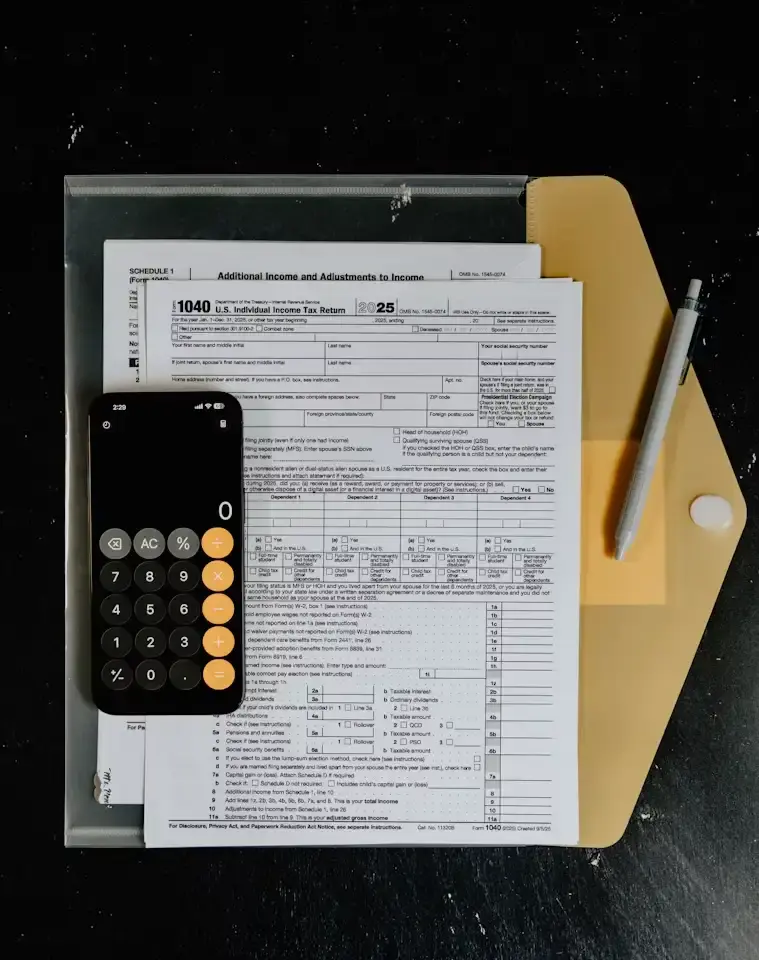
After filing a lien, the IRS sends Letter 3172, which explains your right to a Collection Due Process hearing. You have 30 days from the date of that letter to send Form 12153 to the IRS Independent Office of Appeals. A timely request lets you challenge whether the lien was filed properly, propose an installment agreement, Offer in Compromise, or Currently Not Collectible status, and ask for a withdrawal. File late and you fall back to an equivalent hearing, which does not carry all the same rights.Two of these clocks run 30 days and two run 45 days, and none of them pauses while you decide what to do. The lien itself lasts longer: it generally runs 10 years from the tax assessment, and the IRS can refile it before it expires. The first 30 days after Letter 3172 are the window where the most options are still open.
FAQs
What is a Federal Tax Lien?
A Federal Tax Lien is the government's legal claim against your property if you do not pay a tax debt. It exists after the IRS assesses the balance, sends a bill, and you fail to pay in full. The IRS then files a public Notice of Federal Tax Lien to alert creditors.
How long does a Federal Tax Lien last?
Generally until the debt is paid, settled, or the 10-year collection period from assessment ends, and the IRS can refile before then. After full payment, the IRS releases the lien within 30 days. A withdrawal is a separate request that removes the public notice but leaves the debt in place.
Does a Federal Tax Lien hurt your credit score?
Not directly. The three major credit bureaus removed tax liens from credit reports in 2018. The lien still appears in public records, and the IRS warns it can limit your access to credit, so lenders and title companies may find it during a loan or sale review.
Can you sell a house with a Federal Tax Lien?
Usually yes. The IRS can issue a certificate of discharge that removes the lien from that property, in many cases if the government receives at least the value of its interest from the sale. Apply on Form 14135 at least 45 days before closing so the sale is not delayed.
How do you get a Federal Tax Lien removed?
Paying in full leads to a release within 30 days. Other routes include a withdrawal on Form 12277, a discharge for specific property, or subordination so a lender can move ahead. An Offer in Compromise or installment agreement addresses the debt itself. A tax attorney can match the route to your case.
If you have received a Notice of Federal Tax Lien, do not wait for it to turn into a levy. Paragon Law Group offers a confidential case review to individuals and business owners across the country, backed by 30+ years of combined attorney experience. Every case is different, and the right option depends on your tax years, notices, income, assets, and deadlines. Schedule a consultation or call today.
Paragon Law Group PLLC1235 Pennsylvania Ave SE, Suite 5150, Washington, DC 20003Phone: 866-560-0666 Website: https://www.paragonlawgroup.net/
Hours: Monday to Friday, 9:00 am to 6:00 pm